Concrete Cutting vs Concrete Removal: Understanding the Difference
People searching for concrete cutting often need precise modifications or openings, and local contractors can provide expert services to safely and efficiently perform the job.
Understanding the difference between concrete cutting and concrete removal is essential for property owners planning renovations, repairs, or new construction projects. Whether upgrading a driveway, installing utilities, or creating openings in existing structures, knowing which approach suits your needs can save time and ensure a successful outcome. Local contractors specializing in concrete services are equipped to handle both tasks with precision, helping property owners make informed decisions that align with their project goals.
This topic is particularly relevant for those in the area considering upgrades or modifications to their properties. Properly distinguishing between concrete cutting and removal can impact the scope of work, project planning, and overall results. As you explore your options, keep in mind that local service providers can offer expert guidance and quality workmanship, ensuring the right techniques are used for each specific job. Keep reading to learn more about how these services differ and how they might fit into your upcoming project.
- Concrete cutting services are needed when precise openings or modifications are required in existing concrete structures, and local contractors approach this with specialized saws and tools to ensure accuracy.
- Concrete removal services come into play when entire sections of concrete need to be taken out, often for demolition or major renovation projects, with local pros handling the process safely and efficiently.
- Understanding the difference helps homeowners and builders decide whether they need targeted cutting or full removal, with local service providers offering expert guidance on the best approach.
- For projects involving delicate or detailed cuts, such as installing utilities or creating access points, concrete cutting is preferred, with local contractors ensuring clean, precise results.
- When large areas of concrete need to be cleared or replaced, concrete removal services are essential, and local pros utilize heavy equipment to handle the scope of the work effectively.
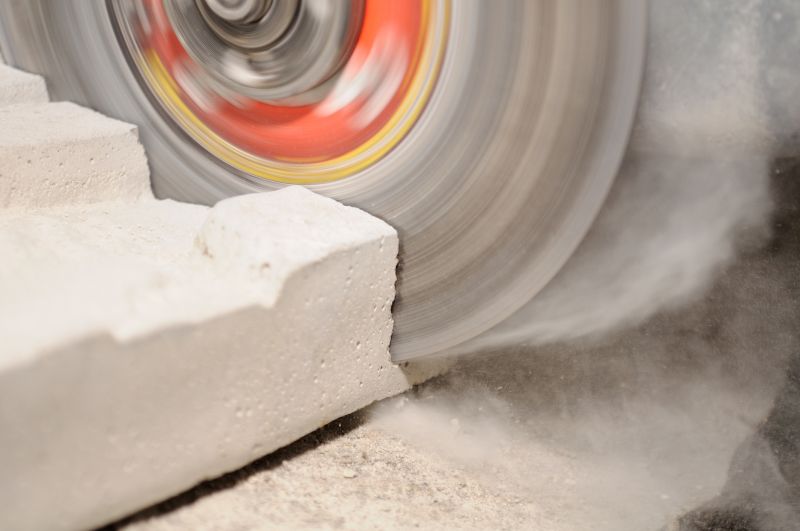
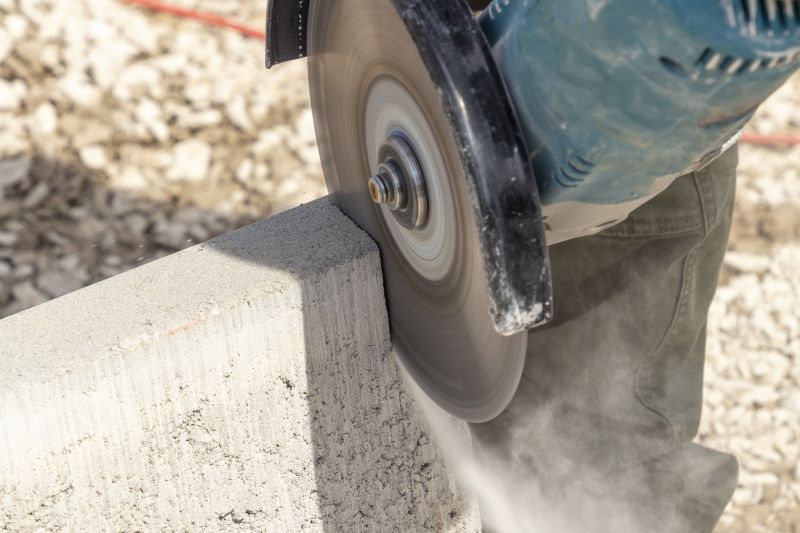
When people search for concrete cutting vs concrete removal: understanding the difference, they often want clarity on which process is suitable for their specific project. Concrete cutting involves making precise cuts into existing concrete surfaces, typically to create openings, expand spaces, or modify structures without removing large sections. In contrast, concrete removal refers to the complete or partial demolition of concrete surfaces, such as breaking up slabs, walls, or foundations that are no longer needed or are damaged. Homeowners might be considering these options when planning renovations, building additions, or addressing structural issues, and understanding the distinctions helps determine the right approach for their project.
These processes are commonly linked to problems like installing new windows or doors in existing walls, creating pathways or driveways, or removing damaged or outdated concrete sections. For example, a homeowner upgrading a basement or garage might need to cut through concrete to install new plumbing or wiring, while removing old, cracked slabs to prepare for new surfaces. Both concrete cutting and removal are essential steps in larger renovation or repair plans, and choosing the correct method ensures the project proceeds smoothly and efficiently. Local service providers who specialize in these tasks can assess the scope of work and recommend the most appropriate technique based on the specific needs of the project.
The types of properties where concrete cutting and removal typically come into play include residential homes, commercial buildings, and industrial facilities. In residential settings, these services are often used during home additions, basement renovations, or driveway replacements. Commercial properties may require concrete cutting or removal for installing new storefronts, expanding parking lots, or upgrading infrastructure. Industrial sites might need these services to access underground utilities or modify large concrete structures. Each property type presents unique challenges and requirements, making it important to work with experienced local contractors who understand the nuances of handling different surfaces and structural elements safely and effectively.
Understanding the difference between concrete cutting and concrete removal helps homeowners better communicate their project needs to local contractors. Concrete cutting services are typically used when precise modifications are needed without disturbing the entire structure, such as creating openings or enlarging existing spaces. Concrete removal, on the other hand, involves breaking down and removing entire sections of concrete that are no longer functional or safe. By selecting the appropriate service, property owners can ensure their project is completed efficiently, with minimal disruption to the surrounding area. Local contractors specializing in these services can evaluate the scope of work, recommend the best approach, and help turn renovation or repair plans into reality.
Concrete demolition projects - involve removing existing concrete structures, requiring skills in concrete removal methods and planning, similar to those used in concrete cutting.
Foundation modifications - often require precise cutting of concrete to alter or expand existing foundations, connecting closely with concrete cutting techniques and planning.
Retrofitting and remodeling projects - may involve cutting through concrete slabs or walls to create openings, utilizing similar tools and planning as concrete cutting services.
Industrial concrete repairs - include cutting and removing damaged sections of concrete, demanding expertise in both cutting and removal processes.
Concrete core drilling services - require specialized cutting equipment to create precise openings in concrete, sharing skills with concrete cutting projects.
Asphalt and paving removal - involves breaking and removing existing surfaces, which shares planning and equipment needs with concrete removal tasks.
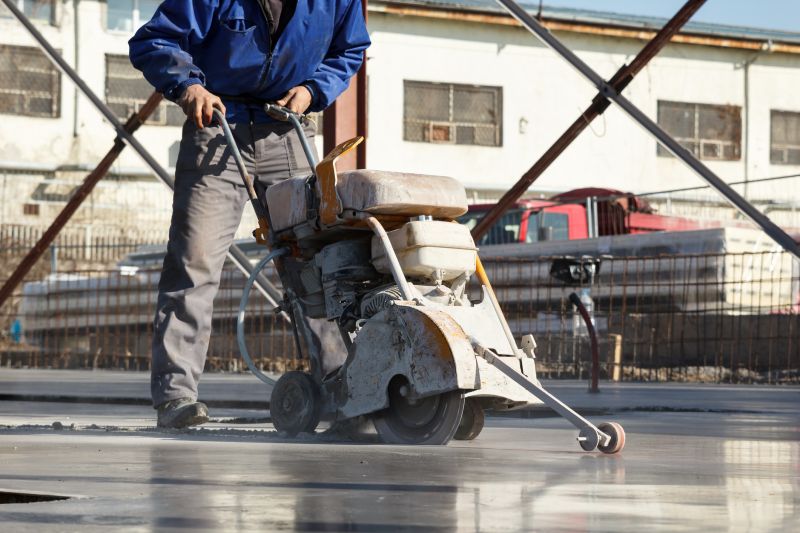
When comparing service providers for concrete projects, it’s important to consider their experience with similar types of work. Contractors who have successfully handled projects involving concrete cutting or removal can offer insights into the unique challenges of each task. An established track record in completing projects comparable to the scope and complexity of the homeowner’s needs can provide confidence that the contractor understands the nuances between concrete cutting versus concrete removal. Asking for examples of past work or references related to similar projects can help gauge a contractor’s familiarity and competence in these specific services.
Clear, written expectations are essential when choosing a local contractor for concrete work. Homeowners should seek detailed descriptions of the scope of work, methods, and materials involved, particularly when distinguishing between concrete cutting and removal. This clarity helps ensure that both parties are aligned on project goals and reduces misunderstandings. Reputable service providers typically provide comprehensive written estimates or proposals, outlining the work process, potential challenges, and any necessary preparations. Having these details in writing can serve as a valuable reference throughout the project, promoting transparency and accountability.
Effective communication and reputable references are key indicators of a reliable contractor. Homeowners are encouraged to inquire about references from previous clients, especially those who had similar concrete projects completed. Good communication involves timely responses to questions, clear explanations of the work involved, and a willingness to discuss options or concerns. Choosing a contractor who demonstrates professionalism in their communication and has positive references can contribute to a smoother process and a successful outcome. Understanding the differences between concrete cutting and concrete removal, and working with experienced, well-referenced service providers, can help ensure the project meets expectations and is completed efficiently.
Property owners often search for concrete cutting vs concrete removal: understanding the difference when they are planning practical projects around their homes and businesses. Local pros provide Concrete Cutting services for everyday jobs and straightforward project options.
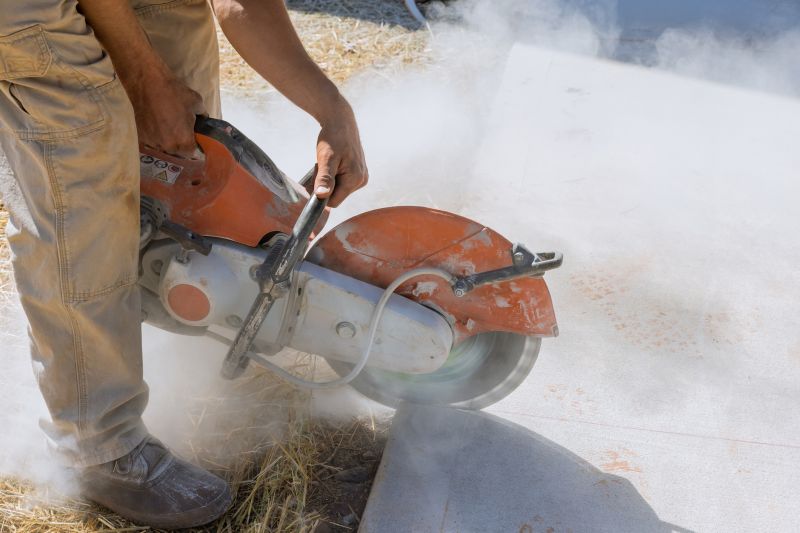
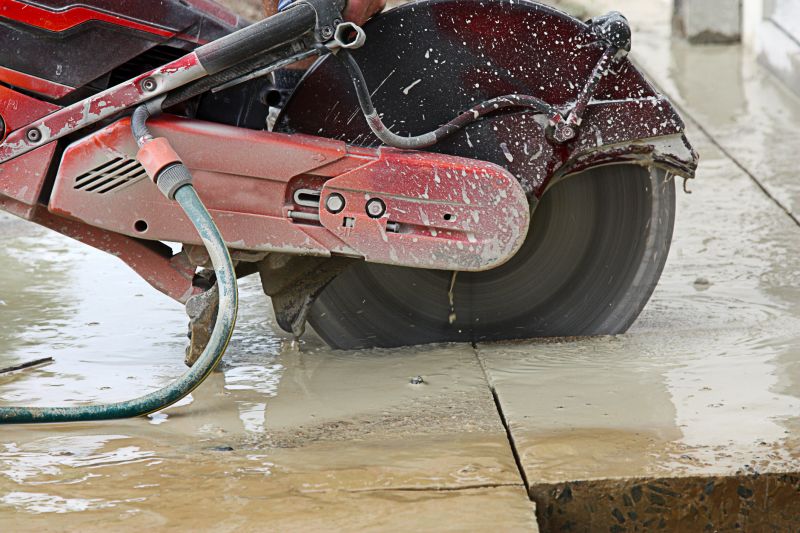
Understanding the difference between concrete cutting and concrete removal is important for property owners planning renovations, repairs, or modifications. Concrete cutting involves making precise cuts into existing concrete surfaces, such as creating openings for doors, windows, or utilities, without removing the entire slab. On the other hand, concrete removal means completely taking out sections of concrete, often to clear space for new construction or to eliminate damaged or deteriorated areas. Homeowners and property managers in the area often look up this topic to determine the most effective approach for their projects, ensuring they choose the right service for their specific needs.
Local contractors that specialize in concrete services can help property owners navigate these choices by providing expert advice and quality work. Whether a project requires careful cutting to preserve surrounding structures or full removal to replace large sections, experienced service providers can handle the job efficiently. Connecting with local pros ensures that the work is done correctly, whether it involves precise concrete cutting or more extensive removal, helping property owners achieve their renovation goals with confidence.
What is the main difference between concrete cutting and concrete removal? Concrete cutting involves making precise cuts or openings in existing concrete surfaces, while concrete removal involves breaking down and removing entire sections of concrete. Local contractors can help determine which service is needed based on the scope of the project.
When should I consider concrete cutting instead of removal? Concrete cutting is suitable when only specific sections, such as trenches or openings, need to be made without removing entire slabs. Local service providers can assess your project and recommend the appropriate method.
Can concrete removal be replaced with concrete cutting? In some cases, concrete removal may be necessary for large sections, but for smaller modifications or penetrations, concrete cutting can often achieve the desired results. Local pros can evaluate your situation to suggest the best approach.
Are specialized tools used for concrete cutting compared to removal? Yes, concrete cutting typically uses saws and blades for precise cuts, whereas removal involves larger equipment like jackhammers or breakers to break apart concrete. Local contractors have the right tools for each task.
How do local service providers ensure the quality of concrete cutting or removal? Experienced local contractors use proper equipment and techniques to ensure clean, accurate cuts or efficient removal, helping to minimize damage and prepare surfaces for their next use.
Identifying the need for precise cuts - property owners can plan for modifications like doorways or window openings by hiring local contractors skilled in concrete cutting.
Removing damaged or outdated concrete - understanding when concrete removal is necessary helps in preparing for repairs or new installations with professional assistance.
Planning for structural adjustments - knowing the difference allows property owners to choose the right service when altering load-bearing elements or expanding existing slabs.
Ensuring minimal disruption during renovations - selecting the appropriate technique can help property owners manage renovation projects efficiently with expert concrete cutting or removal services.
If you are thinking about concrete cutting vs concrete removal: understanding the difference for a property, this guide is meant to help you understand this topic, the typical project types, and how different options might fit your plans.
When you are ready, you can use the quote form on this page to share a few details about your project. From there, local pros can review the basics and follow up with options that match what you have in mind.